TD Centre Energy Plan: Modernizing an Iconic Complex
Multi-phase efficiency and infrastructure roadmap for one of Canada's most iconic commercial complexes
Project Overview
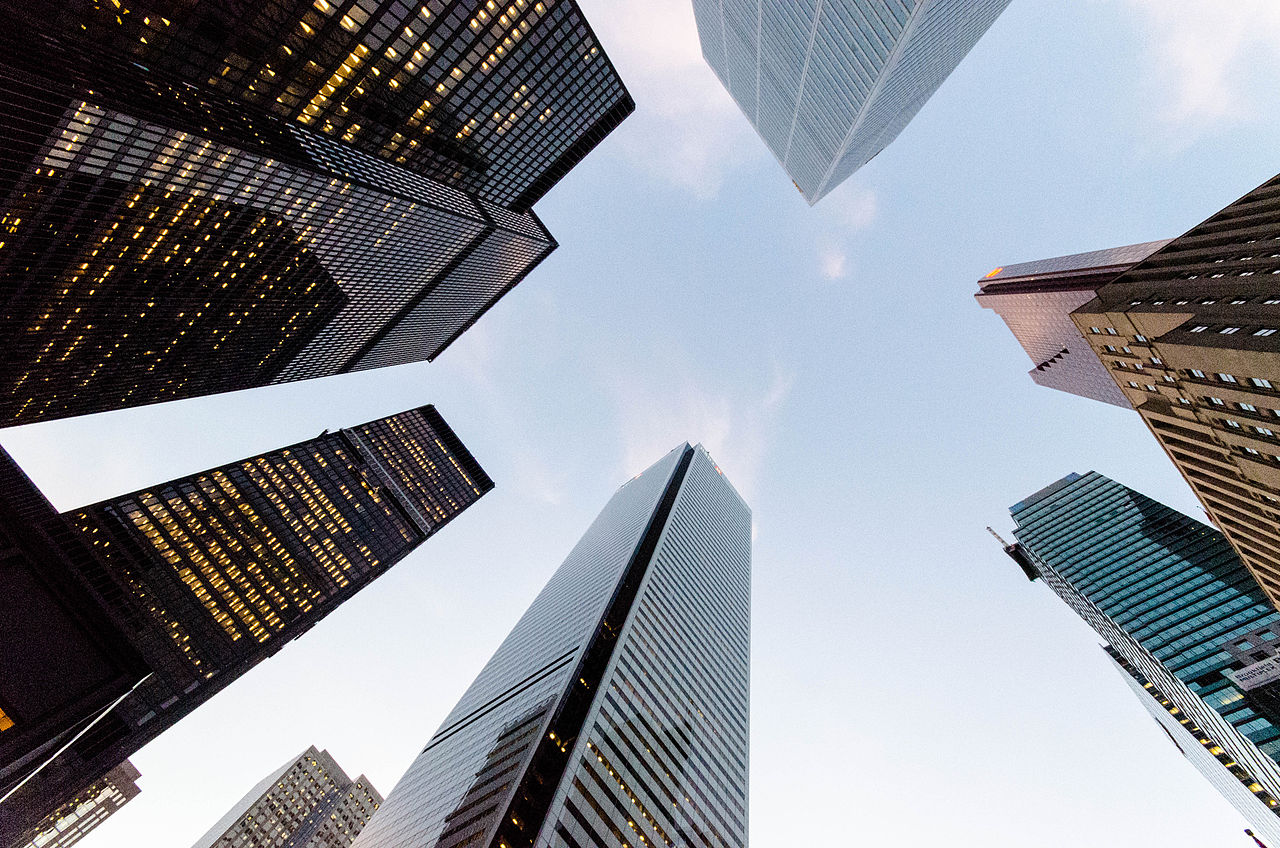
The Toronto-Dominion Centre, designed by modernist architect Ludwig Mies van der Rohe and completed between 1967 and 1991, stands as one of Canada's most iconic commercial complexes. With six towers comprising over 4.3 million square feet of office space, the TD Centre represents both a significant architectural landmark and a major energy consumer in downtown Toronto.
This case study examines the comprehensive energy infrastructure modernization program developed for the TD Centre, focusing on the strategic approach to upgrading systems while maintaining operations in this fully occupied Class AAA office complex.
Challenges
The TD Centre presented several unique challenges for energy infrastructure modernization:
- Architectural significance: As a heritage-designated property designed by Mies van der Rohe, any modifications needed to respect the building's architectural integrity
- Continuous operation: The complex houses major financial institutions and law firms that require uninterrupted service 24/7/365
- Aging infrastructure: Original systems dating back to the 1960s required replacement while maintaining service
- Space constraints: Limited mechanical space in the towers restricted equipment options
- High performance expectations: Premium tenants demand exceptional comfort and reliability
Assessment and Planning
The project began with a comprehensive assessment of existing systems, energy consumption patterns, and infrastructure condition. This included:
- Detailed energy audits of all six towers
- Building performance simulation and energy modeling
- Equipment condition assessment and remaining life analysis
- Tenant comfort and satisfaction surveys
- Carbon emissions baseline establishment
This assessment revealed significant opportunities for energy efficiency improvements, with potential energy savings of 25-30% through strategic system upgrades.
Technical Approach
The energy plan developed for the TD Centre focused on a multi-phase approach that balanced immediate improvements with long-term infrastructure transformation:
Phase 1: Optimization and Controls
- Implementation of advanced building automation systems
- Retro-commissioning of existing equipment
- Lighting upgrades to LED with advanced controls
- Air handling unit optimization and scheduling improvements
Phase 2: Core Infrastructure Modernization
- Chiller plant replacement with high-efficiency models
- Cooling tower upgrades with variable speed drives
- Boiler system modernization with condensing technology
- Primary-secondary pumping system conversion
Phase 3: Low-Carbon Transition
- Integration with district energy systems
- Heat recovery implementation
- Partial electrification of heating systems
- Renewable energy assessment and implementation
Implementation Strategy
The implementation strategy was carefully designed to minimize disruption to tenants while maximizing the effectiveness of upgrades:
- Shoulder season work: Major equipment replacements scheduled during spring and fall
- Night and weekend installations: Critical tie-ins performed during off-hours
- Temporary systems: Deployment of rental equipment during transitions
- Tenant communication program: Regular updates and coordination with occupants
- Phased floor-by-floor approach: For terminal equipment upgrades
Results and Benefits
The TD Centre Energy Plan has delivered significant results across multiple dimensions:
Environmental Benefits
- 25% reduction in energy consumption to date
- 32% reduction in carbon emissions
- Pathway established to achieve 40% carbon reduction by 2030
- Enhanced LEED and BOMA BEST certifications
Financial Benefits
- $4.2M annual operating cost savings
- Reduced maintenance expenses
- Extended equipment life cycles
- Enhanced property value and market positioning
Operational Benefits
- Improved system reliability and redundancy
- Enhanced monitoring and control capabilities
- Improved tenant comfort and satisfaction
- Reduced service calls and complaints
Lessons Learned
The TD Centre Energy Plan project provided valuable insights for similar large-scale commercial infrastructure modernization efforts:
- Comprehensive planning and phasing are essential for success in occupied buildings
- Tenant engagement throughout the process improves outcomes and satisfaction
- Temporary systems and redundancy planning prevent service disruptions
- Integration with district energy provides significant carbon reduction opportunities
- Digital twin modeling enables scenario testing before physical implementation
Future Phases
Building on the success of initial phases, future initiatives at the TD Centre will focus on:
- Further electrification of heating systems
- Integration of energy storage technologies
- Smart building technologies and IoT implementation
- Tenant engagement programs for plug load management
- On-site renewable energy opportunities
Conclusion
The TD Centre Energy Plan demonstrates how iconic, historic buildings can be transformed to meet modern environmental standards while maintaining their architectural integrity and business functionality. Through strategic planning, phased implementation, and innovative technical solutions, this landmark property has positioned itself at the forefront of sustainable commercial real estate in Canada.
Related Articles
An in-depth look at the design and implementation of the 51,000 MBH heat pump district heating plant and its impact on urban sustainability.
Strategic approaches to implementing thermal storage solutions that enhance system efficiency and reduce operational costs during peak demand periods.