Beatty Plant Replacement: Modernizing Critical District Energy Infrastructure
3x 58MW & 1x 44MW steam boiler project modernizing critical district energy infrastructure in Vancouver
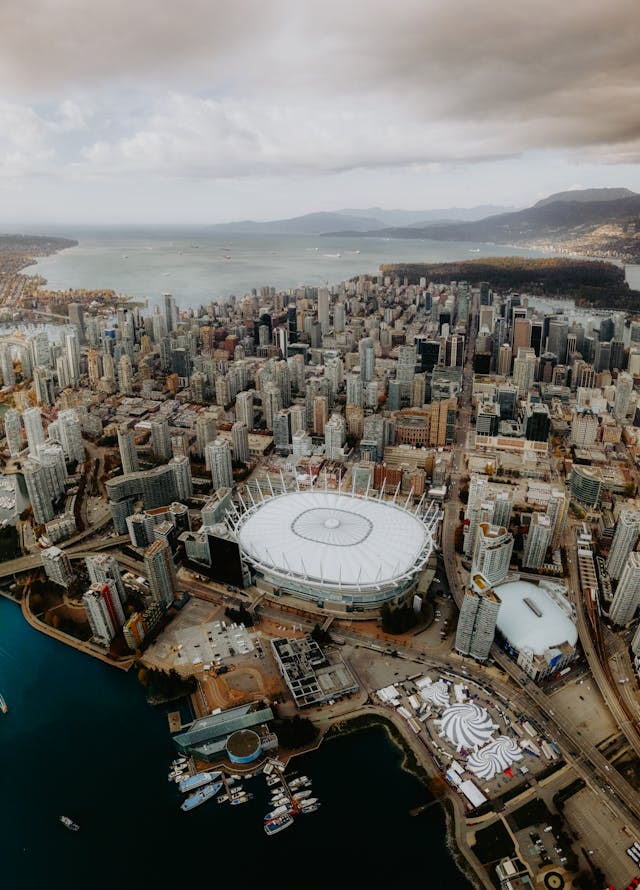
Project Overview
The Beatty Plant is a critical component of Vancouver's district energy system, providing steam to over 210 buildings in the downtown core. After decades of reliable service, the aging infrastructure required comprehensive modernization to ensure continued reliability, improve efficiency, and reduce environmental impact while maintaining service to this essential urban energy network.
This case study examines the complex engineering and logistical challenges involved in replacing three 58MW and one 44MW steam boilers in an operational plant with limited space and strict environmental requirements.
Background and Context
Vancouver's downtown district energy system has been in operation since the 1960s, providing reliable heating to commercial buildings, hotels, residential towers, and institutional facilities across the downtown core. The Beatty Plant serves as the heart of this system, generating high-pressure steam that is distributed through an underground network of pipes.
As the city's sustainability goals evolved and equipment approached end-of-life, Creative Energy (the system operator) initiated a comprehensive modernization program to:
- Replace aging boilers with modern, high-efficiency units
- Reduce greenhouse gas emissions and improve air quality
- Enhance system reliability and redundancy
- Implement advanced controls and monitoring capabilities
- Prepare infrastructure for future low-carbon energy integration
Technical Challenges
The project presented several significant technical challenges:
Continuous Operation Requirements
The plant needed to maintain uninterrupted steam service to over 210 buildings throughout the replacement process. Many of these buildings have no backup heating systems and rely entirely on the district energy network, including critical facilities like hospitals and hotels.
Space Constraints
Located in downtown Vancouver, the plant operates within a densely developed urban environment with minimal space for equipment staging, temporary systems, or expansion. The new boilers needed to fit within the existing building envelope while meeting modern code requirements for clearances and access.
Logistical Complexity
Removing old equipment and bringing in new boilers required careful planning in a congested urban setting. Each new boiler weighed approximately 40 tons and needed to be precisely positioned within the existing plant.
Environmental Compliance
The project needed to meet increasingly stringent emissions standards while operating in close proximity to residential and commercial buildings. This required advanced emissions control technologies and careful stack design.
Seismic Requirements
Vancouver's location in a seismically active region meant that all new equipment and connections needed to meet current seismic codes, often requiring structural reinforcement of the existing building.
Solution Approach
Phased Implementation Strategy
The project team developed a multi-phase implementation strategy that allowed for sequential replacement of boilers while maintaining sufficient capacity to meet system demand:
- Phase 1: Installation of temporary boiler connections and preparation of the first boiler bay
- Phase 2: Removal of the first existing boiler and installation of the first new 58MW unit
- Phase 3-5: Sequential replacement of remaining boilers with careful scheduling around seasonal demand patterns
- Phase 6: Final systems integration, controls implementation, and commissioning
Temporary Capacity Solutions
To ensure continuous service during critical transition periods, the project included:
- Temporary mobile boilers that could be connected to the distribution system
- Careful scheduling of major work during shoulder seasons (spring/fall) when demand is lower
- Load management strategies to optimize available capacity
- Contingency plans for emergency situations
Advanced Engineering Solutions
The project incorporated several innovative engineering solutions:
- Modular design: Boilers were designed with modular components that could be transported through existing access points and assembled in place
- 3D laser scanning: Detailed spatial mapping of the existing facility to optimize equipment layout and identify potential conflicts
- Advanced emissions control: Low-NOx burners and flue gas recirculation systems to meet stringent air quality requirements
- Integrated controls platform: New plant-wide control system that could manage both existing and new equipment during the transition
Implementation and Execution
The project execution spanned approximately 30 months, with careful coordination between engineering, procurement, construction, and operations teams:
Detailed Engineering and Planning
The initial phase involved comprehensive engineering design, including:
- Detailed condition assessment of existing systems
- Thermal modeling of the plant and distribution network
- Equipment specification and selection
- Phasing and transition planning
- Permitting and regulatory compliance
Procurement Strategy
Equipment was procured with careful attention to:
- Long-lead items identified and ordered early in the project
- Factory acceptance testing of critical components
- Logistics planning for delivery in a congested urban environment
- Vendor coordination for on-site support during installation
Construction and Installation
The construction phase required precise coordination:
- Careful demolition of existing equipment while protecting adjacent systems
- Structural modifications to accommodate new equipment
- Installation of new boilers, pumps, piping, and auxiliary systems
- Integration with existing distribution infrastructure
- Implementation of new electrical and control systems
Commissioning and Transition
Each new boiler underwent a rigorous commissioning process:
- Individual component testing
- System integration verification
- Performance testing under various load conditions
- Emissions compliance verification
- Operator training and documentation
Results and Benefits
The Beatty Plant Replacement project delivered significant benefits across multiple dimensions:
Environmental Improvements
- 25% reduction in greenhouse gas emissions
- 30% reduction in NOx emissions
- Improved overall energy efficiency from 75% to 85%
- Reduced water consumption through improved steam quality and condensate recovery
Operational Enhancements
- Increased system reliability with N+1 redundancy
- Enhanced load-following capabilities with turndown ratios of 10:1
- Improved monitoring and diagnostics through advanced controls
- Reduced maintenance requirements and extended service life
Economic Benefits
- Reduced fuel consumption and operating costs
- Lower maintenance expenses
- Avoided carbon taxes and compliance costs
- Extended infrastructure lifespan
Community Impact
- Improved local air quality
- Enhanced energy security for downtown buildings
- Support for Vancouver's Climate Emergency Action Plan
- Demonstration of successful urban infrastructure renewal
Lessons Learned and Best Practices
The project yielded valuable insights for similar infrastructure modernization efforts:
- Early stakeholder engagement: Regular communication with building operators, regulatory authorities, and community representatives was essential for project success
- Detailed transition planning: Comprehensive planning for each phase transition minimized risks and service disruptions
- Flexible design approach: Adaptable designs accommodated field conditions and unexpected discoveries during construction
- Integrated project delivery: Close collaboration between engineering, construction, and operations teams enabled effective problem-solving
- Future-ready infrastructure: Designing for potential future low-carbon technologies enhanced the long-term value of the investment
Future Directions
Building on the success of the Beatty Plant Replacement, Creative Energy is exploring several initiatives to further enhance Vancouver's district energy system:
- Integration of low-carbon energy sources
- Expansion of the distribution network to serve additional buildings
- Implementation of thermal energy storage to optimize system performance
- Development of a comprehensive carbon reduction roadmap
Conclusion
The Beatty Plant Replacement project demonstrates how critical urban infrastructure can be successfully modernized while maintaining essential services and improving environmental performance. Through careful planning, innovative engineering, and effective project execution, this initiative has ensured that Vancouver's district energy system will continue to provide reliable, efficient, and increasingly sustainable heating to the downtown core for decades to come.
Related Articles
An in-depth look at the design and implementation of the 51,000 MBH heat pump district heating plant and its impact on urban sustainability.
Strategic approaches to implementing thermal storage solutions that enhance system efficiency and reduce operational costs during peak demand periods.